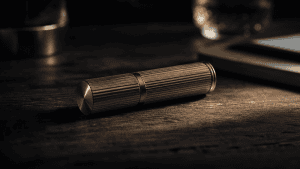
A dog repellent spray is a defensive aerosol formula — typically made with capsaicin, the same active compound found in hot peppers — that temporarily irritates a dog’s eyes, nose, and respiratory system, causing the animal to stop its advance without causing permanent injury. When deployed correctly at a distance of six to ten feet, it gives you the window you need to get yourself, your children, or your own dog to safety.
I have spent more than three decades helping families build real, reliable safety plans. And one of the most common calls I get goes something like this: someone was out walking — maybe with their kids, maybe with their own dog — and a loose, aggressive animal came charging across a yard with no warning. In that moment, good intentions do not protect you. Knowledge and the right tool in your hand do. That is exactly why I want to walk you through everything you need to know about dog repellent spray — how it works, when to use it, and how to choose the right one. Let me show you how to take back control of your walks.
How does dog repellent spray actually stop an aggressive dog?
Dog repellent spray works by exploiting a dog’s most powerful sensory system against it. A dog’s nose contains up to 300 million olfactory receptors — compared to roughly six million in a human. When a capsaicin-based spray contacts those receptors, the resulting irritation is immediate and overwhelming. The dog experiences intense burning in the eyes, nose, and throat, which triggers an involuntary retreat response. It is not cruelty — it is chemistry working in your favor.
The effective range matters enormously. A quality dog repellent spray should reach six to ten feet, giving you a buffer zone before an animal closes the distance. Sprays that only reach two or three feet put you at unnecessary risk. When I guide customers toward a product, effective range is the first specification I look at — not the label design, not the price point.
Most formulas use between one and two percent Major Capsaicinoids (MC) concentration. That is the measurement that actually tells you how potent the spray is — not the Scoville rating, which measures raw pepper heat and does not translate directly to stopping power on contact. Look for MC concentration on the label. If a product does not list it, that tells you something.
Is dog repellent spray safe for the dog — and for people nearby?
This is the question I hear most often, and the answer is a firm yes — when used appropriately, dog repellent spray causes no lasting harm to the animal. The effects are temporary, typically resolving within thirty to forty-five minutes. There is no tissue damage, no long-term impairment. The spray does what it needs to do: it stops the threat and preserves your ability to escape. That is the entire objective.
For the person deploying it, the risk of self-exposure is real but manageable. Wind direction is your primary concern. Always be aware of which way the wind is moving before you reach for your spray. Deploy in short, controlled bursts directed at the animal’s face, not in a wide arc that could drift back toward you. A stream or gel formulation reduces this risk significantly compared to a fog or mist formula — it travels with more directional precision.
Bystanders at a normal distance are not at significant risk from a directed stream formula. That said, in a crowded environment like a farmers market or a busy trail, situational awareness before deployment is essential. These are the kinds of practical realities I walk every customer through — because a tool you cannot use confidently is not a tool at all.
What makes one dog repellent spray better than another?
Not all dog repellent sprays are created equal, and settling for a cheap option is a mistake you do not want to discover in a high-stakes moment. Here is what separates a reliable product from a liability:
MC Concentration: As I mentioned, this is the real measure of potency. Look for a minimum of one percent Major Capsaicinoids. Higher concentrations act faster and with less product dispensed — both critical factors in a sudden encounter.
Spray pattern: Stream or gel patterns offer range and directional control. Fog patterns disperse quickly but are more vulnerable to wind and create more self-exposure risk. For outdoor use — which is every dog encounter scenario — stream is the stronger choice.
Effective range: Six feet is the minimum I recommend. Ten feet is better. Every extra foot of distance is another fraction of a second for your safety.
Canister size and carry format: A spray that lives in your bag and never makes it to your hand is useless. Look for a canister designed for belt clip or wrist strap carry so it is accessible the moment you need it. Mace offers dog repellent options built specifically with this in mind — compact, accessible, and reliable.
Shelf life: Aerosol canisters have an expiration date. Test-fire your canister when you get it, mark the expiration date on your calendar, and replace it on schedule. Carrying an expired canister is the same as carrying nothing.
When should you use dog repellent spray versus other self-defense tools?
Dog repellent spray is purpose-built for animal encounters, and that specificity is a feature, not a limitation. When you are dealing with an off-leash dog in an aggressive posture — stiff body, locked gaze, low growl — spray is frequently the fastest, cleanest solution. It does not require physical contact with the animal. It does not require you to assess the dog’s size or breed. You deploy it, and the situation changes immediately.
For walkers who also want protection against human threats, I often recommend pairing a dog repellent spray with a stun gun designed for walking your dog at night. These tools serve different purposes and address different threat types. A stun gun requires closer proximity and direct contact — appropriate for a human assailant, but not the ideal first response to a charging dog. Carrying both gives you a layered defense that covers more scenarios, which is exactly how I think about personal safety: not one tool for everything, but the right tool for each situation.
Personal alarms are another strong complement. A loud 130dB alarm can startle an approaching dog, interrupt its charge, and alert nearby people to your situation — buying you seconds to reach your spray. Defense in layers is always stronger than a single point of protection.
How do you carry and deploy dog repellent spray correctly?
Carrying dog repellent spray correctly is just as important as owning it. Here is the standard I recommend to every customer:
Accessible carry: Keep your spray in the same hand or clipped to the same place every single walk. Muscle memory is your friend in a sudden encounter. If you have to fish through a bag while a dog is closing distance, you have already lost the advantage.
Read the mechanism before you need it: Know whether your canister has a flip-top safety cap, a twist-lock, or a thumb tab. Practice unlocking it with one hand while looking straight ahead. This takes thirty seconds and could make all the difference.
Deployment posture: Extend your arm toward the animal. Deploy in short, controlled bursts — one to two seconds each. Aim for the face. Do not spray until the dog is within effective range — usually eight to ten feet. Spraying too early wastes product and loses concentration before it reaches the target.
After deployment: Back away firmly and calmly. Do not run immediately — some dogs will interpret a full sprint as prey behavior and re-engage. Create distance, then move to safety.
If you walk a dog of your own, practice holding the leash and the spray canister simultaneously so that motion is already familiar when it counts. Learn more about choosing and using dog repellent spray to build out your complete walking safety plan.
Are there any places where dog repellent spray is restricted?
Dog repellent spray is legal throughout the United States for civilian use in most circumstances, but regulations vary by state and municipality. Some jurisdictions restrict canister size, concentration levels, or require purchasers to be a minimum age. A handful of states have specific rules about carrying any capsaicin-based product in certain public spaces.
I always tell customers: do your due diligence on local regulations before you carry. That is not a disclaimer — it is practical advice that protects you legally. Check your state’s statutes and, if in doubt, contact your local law enforcement non-emergency line. Being informed is part of being prepared.
What I can tell you with confidence is that for the vast majority of Americans walking their neighborhoods, parks, and trails, dog repellent spray is a fully legal and highly effective option with none of the legal complexity that some other self-defense tools carry. It is accessible, it is affordable, and it is something you can carry and deploy without any specialized training.
Frequently Asked Questions About Dog Repellent Spray
What is the difference between dog repellent spray and pepper spray for humans?
Dog repellent spray is formulated specifically for canine encounters — typically at a lower MC concentration than human-grade pepper spray, and in a range and spray pattern optimized for an animal’s size and approach speed. Human pepper spray can be used on dogs in an emergency, but dog-specific formulas are calibrated for animal physiology and are the more targeted choice for walkers who face dog threats regularly.
How far does dog repellent spray reach?
A quality dog repellent spray should reach six to ten feet. This range gives you a critical buffer zone before an aggressive dog closes the distance. Products that only reach two to three feet put you at greater risk because you must allow the animal to come too close before deploying. When evaluating any spray, effective range is one of the first specifications to confirm.
Will dog repellent spray hurt the dog permanently?
No. Dog repellent spray causes temporary irritation to the eyes, nose, and respiratory system — effects that typically resolve within thirty to forty-five minutes. There is no permanent injury to the animal. The spray is designed to interrupt an aggressive behavior and give you time to reach safety, not to cause lasting harm. It is the most humane tool available for a canine encounter.
How should I store my dog repellent spray?
Store your canister at room temperature, away from direct sunlight and extreme heat. Do not leave it in a hot car — high temperatures can compromise the canister’s integrity and reduce effectiveness. Check the expiration date when you purchase it, mark it on your calendar, and replace the canister before it expires. A degraded canister may fail to deploy or deliver reduced concentration exactly when you need full performance.
Can I bring dog repellent spray on an airplane?
No. The TSA prohibits aerosol sprays, including pepper-based products, in carry-on and checked luggage in most standard sizes. If you are traveling and need protection at your destination, plan to purchase a canister locally rather than attempting to travel with one. Always check current TSA guidelines before flying, as regulations can be updated.
How do I know when to replace my dog repellent spray?
Replace your canister on or before its printed expiration date — typically two to four years from manufacture. Additionally, if you have done any test-firing or partial deployment, assess how much product remains. A canister that is more than half depleted should be replaced before it is needed again. Test-fire every new canister when you receive it to confirm it deploys correctly, then start counting from that point.
Is dog repellent spray effective on large breed dogs?
Yes. The effectiveness of capsaicin-based spray is not determined by the dog’s size — it is determined by contact with the animal’s highly sensitive nasal and ocular membranes. A large breed dog has the same olfactory vulnerability as a small one. What matters is accurate deployment within effective range, targeting the animal’s face. A higher MC concentration formula will act faster, which is a meaningful advantage in a large-dog encounter.
What should I do after I use dog repellent spray on a dog?
After deploying your spray, back away firmly while maintaining eye contact with the animal. Do not sprint immediately — rapid movement can re-trigger prey drive in some dogs. Once you have created meaningful distance, move to a secure location. Report the incident to animal control so the animal and its owner can be properly documented. Replace your canister as soon as possible so you are not caught without protection on your next walk.
Knowing what a dog repellent spray is and how it works is the first step. Carrying one correctly, maintaining it, and knowing exactly when and how to deploy it — that is what separates someone who feels safe from someone who actually is safe. I have spent more than thirty years helping families make that distinction, and I am here to guide you through every part of it.
If you are serious about walking safely — whether you have a dog beside you, children with you, or you are out on your own — take the next step and build out your complete walking defense plan. Browse our full selection of personal safety tools, including stun guns designed for walking your dog at night, and let me help you find the combination that fits your specific situation. You deserve to own every walk you take. Be Prepared and Be Safe!