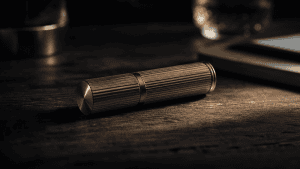
Bear spray and pepper spray are not interchangeable, and treating them as the same product is one of the most common — and most dangerous — misconceptions in personal safety. Bear spray is formulated to create a wide, drifting cloud that deters an animal from a distance, while pepper spray for human threats is formulated with a different heat concentration, tighter spray pattern, and legal profile designed specifically for close-range human encounters. Carrying the wrong one can mean reduced effectiveness, wasted contents, or even legal complications depending on your state.
Why does everyone assume bear spray and pepper spray are the same thing?
Here’s the assumption almost nobody questions: if bear spray can stop a 400-pound grizzly, it must be the ultimate self-defense tool against a human attacker. It sounds logical. It is also wrong, and I want to walk you through why — because the gap between what people assume and what actually works is exactly where good intentions get people hurt.
I have spent over 30 years in the security industry, and one pattern shows up again and again: people reach for the tool that sounds the most powerful, not the one that is actually built for their situation. Bear spray is powerful. It is also engineered for an entirely different problem than the one most of us are actually preparing for. Let’s dig into what makes them different, because once you see it, you will never look at that hardware store canister the same way again.
What is the actual difference between bear spray and pepper spray?
The core difference comes down to concentration, spray pattern, and intended range — three factors most people never think to compare. Bear spray typically uses a lower concentration of capsaicinoids (the active heat-producing compound) than human-defense pepper spray, but it compensates with sheer volume and a wide fog pattern designed to blanket a large animal charging from 15 to 30 feet away.
Pepper spray designed for human threats works on the opposite logic. It uses a higher concentration formula delivered in a stream, cone, or gel pattern designed for close-range accuracy — typically 6 to 12 feet — where you need the spray to land precisely on a person’s eyes and respiratory system without drifting back into your own face or being carried off by wind. Products like Triple Action Pepper Spray combine that heat concentration with UV dye and inflammatory agents specifically calibrated for human physiology, not animal hide and fur.
This is the part almost nobody explains clearly: bear spray’s wide fog pattern that makes it effective against wildlife is precisely what makes it risky in a human encounter. In a parking lot, a hallway, or a crowded sidewalk, a wide drifting cloud can contaminate you, bystanders, and anyone standing nearby — turning your defense tool into a liability for everyone in the vicinity.
Is bear spray legal to carry for self-defense against people?
This is where things get complicated in ways most people never anticipate. Bear spray is regulated as an animal repellent under EPA guidelines, not as a self-defense product. Some states and municipalities have specific restrictions on carrying bear spray in urban or populated areas, precisely because its formulation and dispersal pattern are not designed for controlled human-focused use.
Pepper spray products marketed for personal defense are formulated, labeled, and — in most jurisdictions — regulated specifically for that purpose. I always tell people: I am not your attorney, and laws vary by state, so it is worth checking your local regulations before you carry any product. But the pattern I have seen over three decades is consistent — the tool built and labeled for the job you actually have tends to hold up better under both practical and legal scrutiny than the tool built for a completely different job.
Does bear spray actually work better because it’s “stronger”?
Not necessarily, and this is the innovation most people miss entirely. “Stronger” is not a single number — it is a combination of concentration, delivery method, range, and target physiology, and bear spray is optimized for none of the variables that matter in a human encounter.
Human-focused pepper spray formulas are often calibrated with different percentages of major capsaicinoids specifically because human eyes, mucous membranes, and respiratory systems respond differently than a bear’s. A maximum strength pepper spray built for human defense delivers a precise, effective dose exactly where it needs to go, in a pattern you can actually control at conversational distance — which is where most human threat encounters actually happen.
Think about it this way: a fire hose puts out more water than a garden hose, but you would not want to water your tomato plants with one. More volume and wider dispersal is not automatically better — it is only better when it matches the actual threat in front of you.
What should I actually carry if I’m worried about human threats?
Match the tool to your daily reality, not to the biggest canister on the shelf. This sounds simple, but it is the single most overlooked step in choosing personal protection, and it is where real innovation in self-defense thinking happens — not in finding a “stronger” product, but in finding the right one for your specific pattern of movement through the world.
If you run or walk outdoors regularly, a compact option built for joggers with a secure grip and quick-draw design solves a completely different problem than a canister sitting in a glovebox. If you work retail overnight shifts, pepper spray designed for convenience store workers accounts for close-quarters counter distances and repeated-use scenarios. If you are behind the wheel making deliveries all day, pepper spray built for delivery drivers is designed for quick access in and out of a vehicle, not a hiking trail encounter with wildlife.
This is the shift I want you to make: stop asking “what is the strongest thing I can buy” and start asking “what actually fits how I move through my day.” That reframe changes everything about which product makes sense for you.
Can I carry both bear spray and pepper spray at the same time?
You can, and for people who split time between backcountry trails and everyday urban or suburban environments, it often makes sense to carry both — as long as you know which one is which and never confuse their use cases under stress. Bear spray stays in your pack or attached to your belt for trail use where wildlife encounters are a real possibility. Human-focused pepper spray stays on your person, easily accessible, for the drive to the trailhead, the parking lot, or anywhere else people — not animals — are the concern.
What trips people up is treating these as one category of product instead of two distinct tools solving two distinct problems. Label them, mentally separate them, and know before you ever need either one which canister is built for which situation. That five-second decision should already be made long before you are standing in a moment that requires it.
Frequently Asked Questions About Bear Spray vs. Pepper Spray for Human Threats
Can I use bear spray on a person if I don’t have pepper spray with me?
In an emergency, bear spray will cause discomfort to a human attacker, but it is not formulated or legally classified for that use. Its wide fog pattern makes precise application difficult, and depending on your state, using it against a person could carry different legal implications than a product specifically labeled for personal defense.
Why is bear spray sold in bigger canisters than pepper spray?
Bear spray needs enough volume to create a wide deterrent cloud from a distance against a large charging animal. Personal defense pepper spray is designed for close-range precision on a much smaller target area — a person’s face — so it requires far less volume per use, which is why it comes in smaller, more portable canisters.
Is pepper spray for humans weaker than bear spray?
Not weaker — different. Human-defense pepper spray often uses a comparable or higher concentration of active heat compound, but delivers it in a controlled stream or cone pattern optimized for human eyes and airways at close range, rather than a wide fog meant to blanket a large animal from further away.
What’s the effective range difference between the two?
Bear spray is generally designed for 15 to 30 feet of range to stop an animal before it closes distance. Most human-defense pepper spray products are built for 6 to 12 feet, matching the realistic distance at which human threat encounters typically occur — close enough to require precision, not a wide cloud.
Does wind affect bear spray more than pepper spray?
Yes, generally. Bear spray’s wide fog dispersal pattern is more susceptible to wind drift, which can blow the cloud back toward you. Personal defense sprays with stream or gel patterns are less affected by wind and crosswinds, giving you more reliable control over where the spray actually lands.
Which one should I carry while hiking in an area with both wildlife and safety concerns near the trailhead?
Many people carry both: bear spray attached to a pack or belt for the trail itself, and a compact personal defense spray for the parking lot, trailhead, or populated stretches. Knowing which canister is which — and practicing the difference — matters more than which brand you choose.
Are the active ingredients actually different between bear spray and human pepper spray?
Both use capsaicinoids as the active compound, but formulations differ in concentration percentage and often in the specific capsaicinoid blend used, since human and animal physiology respond differently. The delivery method — fog versus stream or gel — is typically the more significant practical difference between the two.
Will carrying bear spray for personal defense cause legal problems?
It depends on your state and local regulations, since bear spray is classified as an animal repellent rather than a self-defense product in most jurisdictions. I always recommend checking your specific local laws, since regulations vary and this isn’t something to guess about after the fact.
I have spent three decades helping people move past the assumption that “stronger” automatically means “better,” and toward the more useful question: what actually fits my daily routine? Whether that means exploring options built for runners, comparing pepper spray against a stun gun for road safety, or simply understanding how situational awareness works alongside any tool you carry, the goal is always the same — a solution built for you, not a generic answer pulled off a shelf. Let me guide you toward the option that actually matches your life.