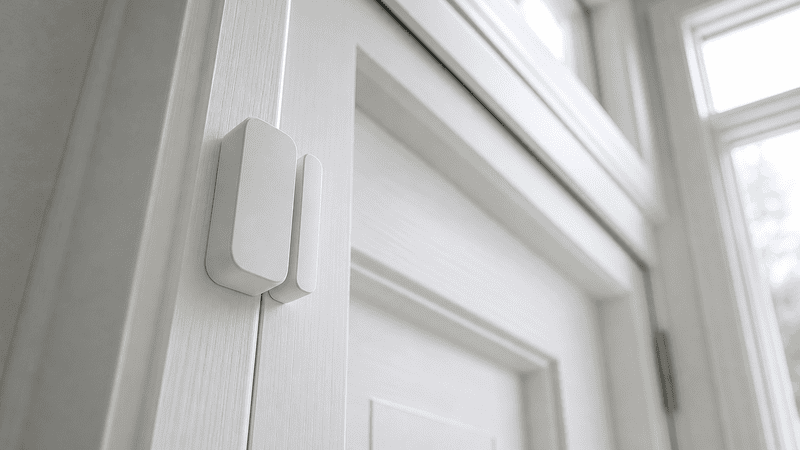
A door alarm that actually works isn’t the one with the loudest siren — it’s the one with the right sensor type, a mounting method suited to your door, and a battery system you’ll actually maintain. The best-performing alarms on the market combine magnetic two-piece contact sensors with 100+ decibel alerts and low-battery indicators, and they’re matched to the specific door they’re guarding rather than treated as one-size-fits-all.
What most people get wrong about door alarms
Here’s something that surprises almost everyone I talk to: the alarm with the biggest number on the box is rarely the one that actually protects your family. Most buyers shop for decibels the way they’d shop for horsepower, assuming louder automatically means better. But a 130dB alarm mounted incorrectly, or triggered by the wrong sensor type for that particular door, is just an expensive noisemaker that goes off at the wrong moments — or worse, never goes off at all.
The real innovation in door alarm design over the last several years hasn’t been about volume. It’s been about precision — sensors that distinguish between a door being nudged by wind and a door actually being opened, magnetic contacts that hold their calibration for years instead of months, and battery systems that warn you before they die instead of failing silently. That shift changes how you should be shopping.
What actually makes a door alarm reliable?
A reliable door alarm comes down to three things working together: sensor type, mounting fit, and power consistency. Get any one of these wrong and the other two don’t matter.
Magnetic contact sensors are where most of the meaningful engineering has gone. Instead of relying on vibration or motion, a two-piece magnetic system places one unit on the door and one on the frame — when the magnetic connection breaks, the alarm triggers instantly and reliably, every time. If you want to understand exactly how this works, I walk through the mechanics in detail in this breakdown of two-piece magnetic contact systems. It’s a genuinely clever piece of engineering hiding in a very unglamorous plastic housing.
Mounting fit matters more than people expect. A door alarm designed for a standard interior door won’t necessarily perform the same on a sliding glass door, a French door, or a rental unit’s original hardware you’re not allowed to drill into. That’s a mismatch problem, not a product quality problem — and it’s fixable once you know to look for it.
Wired or wireless — which one actually delivers?
Wireless door alarms have become the default recommendation for most households, and there’s a specific reason: they eliminate the single biggest point of failure in older systems — the wiring itself. A wired connection that gets nicked, chewed, or corroded fails silently. A wireless magnetic sensor, by contrast, either has battery power or it doesn’t, and modern units tell you which.
That said, wired isn’t obsolete — it still makes sense in specific situations, like permanent installations where battery replacement isn’t practical. I go deep on this comparison in Wired vs. Wireless Door Alarms: Which Setup Makes More Sense for Your Situation, and the same logic largely carries over to windows — covered in this window alarm comparison. The short version: for most modern households, wireless wins on flexibility and fails more gracefully.
Do door alarms actually stop false alarms?
The newest generation of alarms, yes — and this is the innovation that deserves more attention than it gets. Older motion-based door alarms were notorious for false triggers from drafts, pets, or a door simply settling in its frame. Magnetic contact systems solved this almost entirely by requiring an actual physical separation between two connected units before triggering.
Some models now go a step further with adjustable sensitivity settings, letting you dial in exactly how much separation triggers the alert — useful for doors that shift slightly with weather or foundation settling. This single feature has quietly eliminated the “my alarm goes off at 3am for no reason” complaint that used to be the most common frustration with home door alarms.
Which door alarm features matter for specific households?
This is where a lot of buyers miss an opportunity, because the “best” door alarm genuinely depends on who’s in your home and what you’re guarding against.
Treating these as interchangeable is exactly how good alarms end up performing poorly — not because the product failed, but because it was matched to the wrong job.
What should you actually look for when buying one?
Look for four things, in this order: sensor type, decibel rating, mounting method, and battery indicator. A magnetic two-piece sensor should be your baseline expectation, not a premium upgrade. From there, a decibel rating between 100 and 130dB is loud enough to startle and alert without becoming impractical for close-quarters apartment living.
Mounting method should match your actual door and your actual lease or ownership situation — adhesive-backed units solve most rental restrictions without sacrificing performance. And a battery-life indicator, ideally a visible LED or an audible low-battery chirp, closes the single biggest gap in older alarm technology: units that die quietly and leave you unprotected without ever telling you.
Brands worth putting on your shortlist include MultiGuard and SMART for magnetic contact door and window alarms, with Streetwise offering solid options for combined door and personal alarm coverage. If your safety plan extends beyond the home, it’s worth pairing a door alarm system with something portable — I break down good options in Personal Alarms for Travelers, which covers alarms designed to go where you go, not just stay mounted on a frame.
Frequently Asked Questions About Door Alarms
What is the best type of door alarm sensor?
Magnetic two-piece contact sensors are the most reliable option available. One unit mounts to the door, one to the frame, and any separation between them triggers an immediate alert. This design produces far fewer false alarms than older motion or vibration-based sensors and holds its calibration for years.
How loud should a door alarm be?
Somewhere between 100 and 130 decibels is the practical sweet spot. That range is loud enough to startle an intruder and alert household members through walls, but not so extreme that it becomes unbearable in an apartment or shared living space.
Do wireless door alarms actually work as well as wired ones?
For most households, yes — and often better. Wireless units avoid the wiring failures that plague older systems and are far easier to install, relocate, or replace. Wired systems still have a place in permanent installations where battery changes aren’t practical.
Can I install a door alarm without drilling into my door?
Yes. Most modern magnetic door alarms use industrial adhesive mounting strips designed to hold securely without permanent damage, making them a solid option for renters and apartment residents who need to preserve their security deposit.
How do I stop my door alarm from giving false alerts?
Choose a magnetic contact sensor rather than a motion-based one, and look for a model with adjustable sensitivity. This lets you fine-tune how much door movement is required to trigger an alert, which eliminates most false alarms caused by drafts or a door settling in its frame.
How long do door alarm batteries last?
Most quality units last six months to a year on standard batteries with typical daily use. The better-designed alarms include a low-battery indicator, either a blinking LED or an audible chirp, so you’re warned well before the unit fails completely.
Are door alarms enough on their own, or do I need something else?
Door alarms are an excellent first layer, especially paired with window alarms on the same magnetic contact system. Many households add a portable personal alarm for situations away from home, giving them consistent protection whether they’re at the front door or walking to their car.
Don’t wait until it’s too late. Equip yourself and your Loved Ones with reliable, Self Defense Tools and take control of your personal safety. All the products listed make great, low-cost gifts. Keeping you and your loved ones safe.
Free shipping on orders over $25.
Be Prepared and Be Safe!