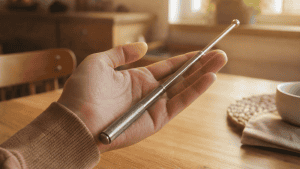
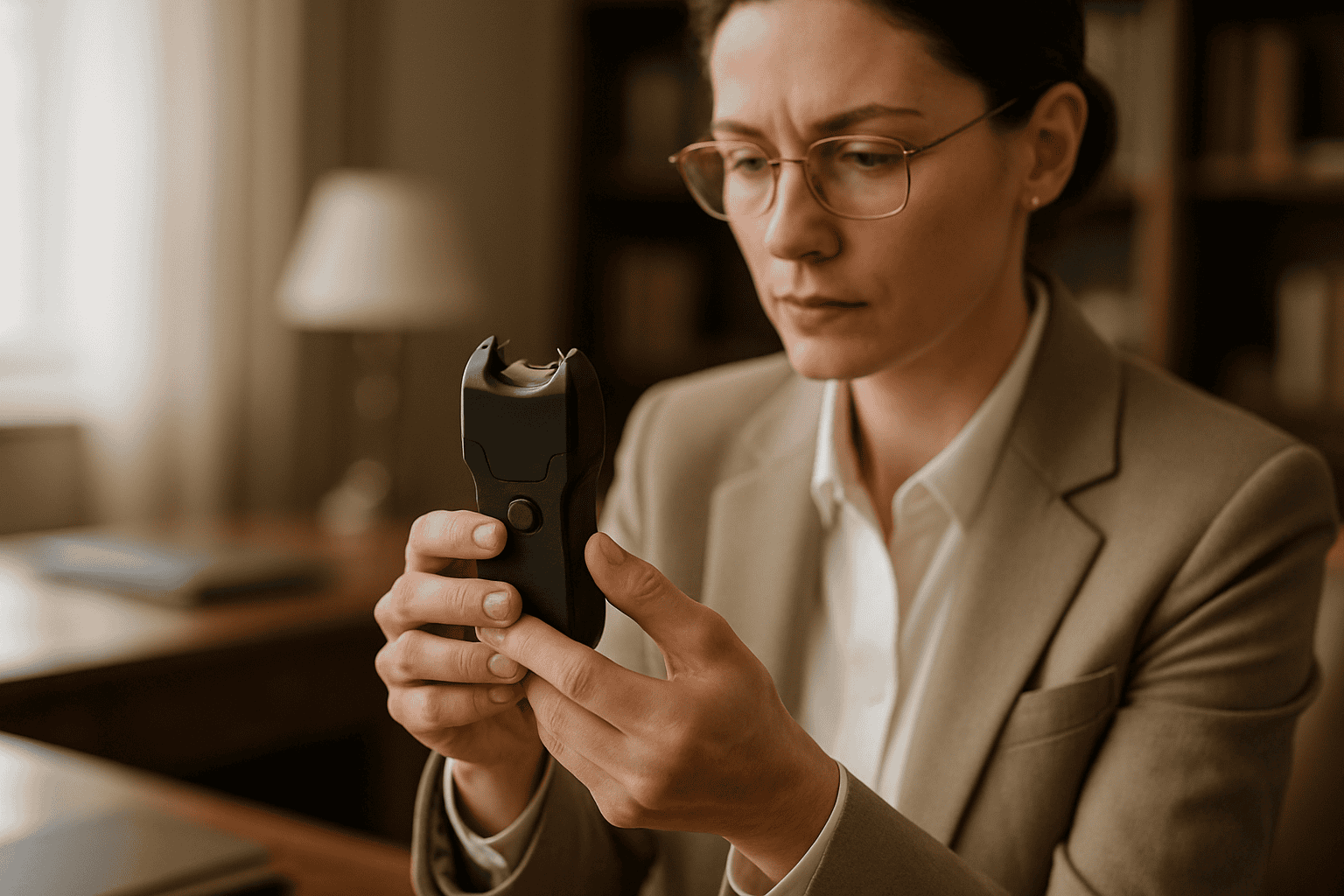

A quality stun gun delivers approximately 5-10 seconds of intense, full-body muscle disruption that temporarily incapacitates an attacker through neuromuscular interference rather than simple pain compliance. The sensation is described as an overwhelming electrical shock that causes immediate loss of muscle control, disorientation, and temporary paralysis. High-voltage devices create this effect through rapid electrical pulses that override the nervous system’s ability to control voluntary muscle movement.
What does a stun gun shock actually feel like on the human body?
The experience of receiving a stun gun shock transcends ordinary pain descriptions. Recipients consistently report an immediate, all-consuming electrical sensation that feels like being struck by lightning while simultaneously experiencing the worst muscle cramp imaginable across their entire body.
The initial contact creates an intense burning sensation at the point of contact, followed within milliseconds by complete loss of muscle control. Unlike a static shock or even touching a live wire, a stun gun delivers a specifically engineered electrical pattern designed to overwhelm the nervous system’s normal function.
Most importantly for discerning buyers, this is not about inflicting maximum pain—it is about achieving maximum neuromuscular disruption. Quality devices like those from police-grade manufacturers focus on effective incapacitation rather than torture-level discomfort.
The sophisticated buyer understands that effective self-defense requires immediate threat cessation, not prolonged suffering. This distinction separates premium devices from cheap alternatives that rely solely on intimidation factor.
How long does the pain and disorientation last after being shocked?
High-quality stun guns create effects that persist well beyond the actual electrical contact, providing the critical window needed for escape. The immediate incapacitation lasts 5-15 seconds, during which the attacker experiences complete loss of muscle coordination and balance.
Following the initial shock, recipients report 30 seconds to 2 minutes of significant disorientation, muscle weakness, and confusion. This extended recovery period is what makes quality stun guns genuinely effective self-defense tools rather than mere deterrents.
The lingering effects include muscle soreness similar to intense exercise, temporary memory confusion, and difficulty with fine motor control. However, these effects are temporary with no permanent physical damage when devices are used as intended.
Discerning users recognize that this recovery window is precisely what separates effective devices from theatrical props. When you need genuine protection, you need a device that provides sufficient time to reach safety, not just a momentary distraction.
Why do stun guns cause such intense physical reactions?
The science behind effective stun gun operation reveals why quality matters dramatically in this product category. Premium devices deliver precisely calibrated electrical pulses that interfere with the nervous system’s electrochemical signals at the cellular level.
Human muscle control depends on electrical impulses traveling from the brain through the nervous system. A properly engineered stun gun overwhelms this system with 19-50 pulses per second, each carrying enough electrical energy to disrupt normal nerve transmission without causing permanent tissue damage.
The voltage creates the initial penetration through clothing and skin resistance, while the amperage delivers the actual incapacitating effect. This is why informed buyers focus on device specifications rather than marketing claims about “millions of volts.”
Quality manufacturers like TASER and Pulse 2 invest heavily in research to optimize this neuromuscular disruption. Their devices achieve maximum effectiveness while maintaining safety parameters that prevent permanent injury. This engineering sophistication is why professional law enforcement agencies choose specific brands over others.
What makes some stun guns more effective than others at stopping attackers?
The effectiveness hierarchy in stun guns becomes apparent when examining the engineering behind premium versus budget devices. Superior models incorporate multiple factors that work together to achieve reliable threat cessation.
Pulse frequency represents the first differentiator. Quality devices deliver optimized pulse rates that maximize nervous system interference. Cheap alternatives often use basic transformers that produce inconsistent pulse patterns with limited effectiveness.
Contact point design significantly impacts real-world performance. Premium models feature strategically spaced electrodes that ensure effective electrical transfer even through heavy clothing. Budget devices often have poorly positioned contacts that fail when needed most.
Power delivery consistency separates reliable protection from expensive disappointment. Quality manufacturers engineer devices that maintain effectiveness across varying battery levels, temperature conditions, and extended storage periods. This reliability factor cannot be overstated when personal safety depends on device performance.
The most discerning buyers also consider discharge duration capabilities. Professional-grade devices can deliver multiple sustained discharges without losing effectiveness, while inferior models often provide only brief, weak shocks.
How do stun guns compare to other self-defense options for stopping power?
Educated consumers evaluate stun guns within the complete spectrum of personal protection options, understanding that different situations require different solutions. Each category offers distinct advantages and limitations that inform intelligent purchasing decisions.
Pepper spray versus stun gun effectiveness represents the most common comparison. Pepper spray excels at creating immediate distance and affecting multiple attackers, while stun guns provide more reliable incapacitation of individual threats. Quality pepper sprays affect vision and breathing within seconds, but require accurate deployment and favorable wind conditions.
Stun guns offer several advantages: they work regardless of environmental conditions, provide immediate feedback on successful contact, and cannot be affected by wind or poor aim beyond close range. However, they require direct physical contact with the attacker, which some users find psychologically challenging.
The sophisticated approach recognizes that optimal personal protection often involves layered defenses rather than single-solution thinking. Many experienced users maintain both options, along with proper training in situational awareness and conflict avoidance.
For specific applications, consider that runners and outdoor enthusiasts often prefer stun guns for their reliability and immediate stopping power, while those concerned about multiple attackers might prioritize pepper spray or personal alarms as primary options.
What do medical professionals say about stun gun injuries and safety?
Medical research consistently demonstrates that properly manufactured stun guns cause temporary incapacitation without permanent injury when used according to manufacturer guidelines. Emergency medicine studies show that stun gun effects are overwhelmingly temporary and reversible.
The most comprehensive studies, including research published in emergency medicine journals, document that stun gun exposure produces no lasting cardiovascular, neurological, or muscular damage in healthy individuals. The electrical current affects only voluntary muscle control and does not interfere with heart rhythm or breathing in properly functioning devices.
Medical professionals emphasize that the safety profile of quality stun guns compares favorably to other self-defense options. Unlike chemical sprays that can cause respiratory complications in individuals with asthma or other breathing disorders, electrical devices typically produce no allergic reactions or long-term sensitivities.
However, medical experts strongly advise against prolonged or repeated exposures, which can cause muscle strain and exhaustion. Quality devices include safety features that prevent accidental extended discharge, protecting both users and subjects from unnecessary exposure.
The medical consensus supports the use of properly manufactured devices as safe and effective self-defense tools when deployed appropriately and for reasonable durations.
Frequently Asked Questions About Stun Gun Pain and Effectiveness
Can a stun gun cause permanent damage or injury?
No, properly manufactured stun guns do not cause permanent damage when used according to manufacturer instructions. Medical studies show that effects are temporary, lasting minutes rather than hours, with no lasting neurological, cardiovascular, or muscular damage in healthy individuals.
Will a stun gun work through heavy clothing like winter coats?
Quality stun guns are specifically designed to penetrate clothing, including heavy winter garments. Premium models feature electrode spacing and voltage levels that maintain effectiveness through multiple clothing layers, though direct skin contact provides optimal results.
How painful is a stun gun compared to a bee sting or electric fence?
A stun gun creates significantly more intense sensation than either comparison. Recipients describe it as overwhelming full-body electrical shock with complete muscle control loss, far beyond the localized pain of bee stings or brief contact with electric fencing.
Do stun guns work on people under the influence of drugs or alcohol?
Yes, quality stun guns remain effective because they disrupt the nervous system’s electrical signals rather than relying on pain compliance. Neuromuscular disruption occurs regardless of the subject’s pain tolerance or altered mental state from substances.
Can a stun gun accidentally shock the user during a struggle?
No, properly designed stun guns include safety features that prevent electrical transfer to the user. The electrical circuit requires contact with both electrodes simultaneously, and the device’s construction ensures the current flows between the electrodes rather than back to the user.
How many times can a stun gun be used before the battery dies?
Quality devices typically provide 50-100 five-second discharges on a single charge, depending on the model and battery type. Premium models include battery indicators and maintain consistent power output throughout the battery’s useable range.
Will a stun gun stop someone immediately or do they need multiple shocks?
A single contact from a quality device typically produces immediate incapacitation lasting 5-15 seconds. However, factors like clothing thickness, contact duration, and device quality can influence effectiveness. Premium devices are engineered to maximize single-contact success rates.
Are there legal restrictions on stun gun voltage or power levels?
Regulations vary significantly by state and locality. Some jurisdictions restrict civilian ownership entirely, while others limit voltage levels or require permits. Always verify local laws before purchasing, as violations can result in serious legal consequences.
When evaluating stun guns for personal protection, the discerning buyer recognizes that effectiveness stems from engineering excellence rather than marketing hyperbole. Quality devices from established manufacturers provide reliable performance when it matters most, while inferior alternatives often fail precisely when protection is needed.
The investment in a properly engineered device reflects an understanding that personal safety cannot be compromised by false economy. Whether choosing a compact model for daily carry or a more substantial complete protection package, the sophisticated approach prioritizes proven performance over impressive-sounding specifications.
Remember that the most effective self-defense strategy combines quality equipment with proper training and situational awareness. The right device in trained hands provides confidence and security that inferior alternatives simply cannot match.
Don’t wait until it’s too late. Equip yourself and your Loved Ones with reliable, Self Defense Tools and take control of your personal safety. All the products listed make great, low-cost gifts. Keeping you and your loved ones safe.
Free shipping on orders over $25.
Be Prepared and Be Safe!