You hold the power to transform your journey from victim to survivor. Understanding your past is essential; it helps break the cycle of blame and fosters empowerment. Acknowledge your struggles while recognizing your strength. Set healthy boundaries to create a safe space for healing. Embrace new habits that build your confidence and cultivate a positive self-image. Surrounding yourself with supportive communities enhances your resilience and counters feelings of isolation. As you explore effective strategies for self-protection and personal growth, you’ll discover the tools you need for lasting change and empowerment on your path to healing.
Understanding the Victim Mindset
When you find yourself trapped in a victim mindset, it’s easy to feel overwhelmed by a sense of powerlessness and to blame external circumstances for your struggles.
You might catch yourself thinking, “Nothing ever goes my way,” which reinforces feelings of unworthiness and hopelessness. This mindset often leads you to dwell on past injustices, creating harmful emotional patterns that can attract toxic relationships.
Recognizing these limiting beliefs is essential for your personal growth. By taking responsibility for your choices, you can shift your focus from victimhood to empowerment.
This change can notably impact your healing journey and help you build resilience. Understanding the victim mindset is the first step toward reclaiming your power and transforming your life.
Consequences of a Victim Mindset
When you hold onto a victim mindset, you might find yourself caught in emotional reenactment patterns, attracting toxic relationships that reinforce feelings of inadequacy.
Constantly comparing yourself to others can make you feel even more trapped, as you struggle with resentment and the weight of past experiences.
Recognizing these patterns is the first step toward reclaiming your power and fostering healthier connections.
Emotional Reenactment Patterns
Emotional reenactment patterns can trap you in a cycle that feels all too familiar, as they occur when you unconsciously recreate past traumas in your current relationships.
This cycle often leads to feelings of anger, frustration, and helplessness, as you may find yourself powerless in situations that remind you of past abuse. You might also catch yourself comparing your experiences to others, intensifying feelings of inadequacy.
Holding onto resentment and failing to forgive can further ensnare you in these emotional patterns, making it harder to heal.
However, becoming aware of these reenactment patterns is an essential step toward breaking free from the victim mindset. Embrace this awareness to empower yourself and foster personal growth.
Toxic Relationship Attraction
Often, those with a victim mindset unknowingly draw toxic relationships into their lives, as their focus on blame and feelings of unworthiness create a fertile ground for emotional turmoil.
You might find yourself re-experiencing past traumas, subconsciously seeking partners who mirror those painful experiences. This emotional reenactment can lead to cycles of dependency and abuse, keeping you trapped in a loop of powerlessness.
As you compare yourself to others, those feelings of inadequacy can make you more vulnerable to manipulation.
To break free, it’s essential to challenge these limiting beliefs. By recognizing your worth and embracing self-empowerment, you can pave the way for healthier relationship patterns, steering clear of the toxic relationships that once defined your life.
Comparison and Inadequacy Feelings
Toxic relationships can leave deep scars, making it easy to slip into a cycle of comparison and feelings of inadequacy. You might find yourself:
- Measuring your worth against others’ achievements
- Reliving past injustices, trapping yourself in emotional loops
- Struggling with low self-esteem and self-doubt
- Holding onto resentment, which stifles your healing
- Feeling stuck, unable to embrace your own strengths
Recognizing these patterns is the first step toward breaking free.
It’s crucial to acknowledge your feelings without allowing them to define you. By focusing on healing, you can shift your perspective from comparison to self-acceptance.
Embrace your journey, celebrate small victories, and remember: your worth isn’t determined by others, but by your resilience and growth.
Recognizing the Need for Change
Recognizing the need for change starts with acknowledging your past experiences and how they’ve shaped your well-being.
Embracing your personal agency is essential; you have the power to shape your future, regardless of what’s happened before.
Setting effective boundaries is a significant step in creating a safe space for your healing and growth.
Acknowledging Past Experiences
While it may feel intimidating, acknowledging your past experiences is essential for healing and growth. By facing your trauma, you can start to understand its impact on your life and foster strength and resilience.
This crucial part of the healing process helps you break free from harmful cycles and empowers you to make positive choices.
Consider these elements as you reflect:
- The weight of unprocessed emotions
- Patterns of behavior that no longer serve you
- The importance of self-reflection
- Your support network’s role in validation
- The journey towards personal empowerment
Recognizing the need for change is the first step toward transformation. Embrace this journey; it leads to greater well-being and a brighter future.
Embracing Personal Agency
Embracing personal agency is a vital step in your journey toward healing and empowerment. Recognizing the need for change starts with understanding that while you can’t change the past, you have control over your healing and growth.
Shift your mindset from being a victim to one of empowerment by taking responsibility for your choices. This ownership fosters a sense of control, reinforcing your belief that you can positively influence your life.
Engage in honest self-evaluation of your past decisions, which helps break free from victimhood and highlights your inherent strength. Ask yourself constructive questions, like “What opportunities for growth can I explore?”
This proactive approach encourages personal transformation and cultivates the empowerment you deserve.
Setting Boundaries Effectively
Taking control of your life means understanding the importance of setting effective boundaries. Recognizing the need for change is the first step toward personal empowerment. You can protect your emotional and physical well-being by identifying toxic influences and establishing clear limits.
Consider these elements while reflecting on your boundaries:
- What situations drain your energy?
- Which relationships feel one-sided?
- Are there environments that provoke anxiety?
- What behaviors do you tolerate that undermine your growth?
- How can you communicate your needs clearly?
Creating a safe space for yourself—both emotionally and physically—lays the groundwork for healing.
Embrace personal empowerment by shifting your focus from blame to proactive change, allowing you to foster healthier connections and redefine your relationships.
Steps to Break Free
To break free from victimhood, you must first create a safe environment, which starts with setting clear boundaries around toxic influences in your life. Focus on your emotional well-being and shift from blame to personal empowerment. Ask yourself constructive questions like “Where can growth occur?” to spark self-reflection. Establish new patterns aligned with your future self, making intentional choices to break past cycles. Embrace challenges as opportunities for growth, helping to rewire your mindset from a victim to a survivor. Engage with supportive communities and consider professional help for guidance.
| Action Steps |
Impact |
| Set boundaries |
Protect emotional well-being |
| Ask constructive questions |
Encourage self-reflection |
| Establish new patterns |
Align with desired future self |
| Embrace challenges |
Foster resilience |
Embracing the Survivor Mindset
While acknowledging your past struggles can feel intimidating, it’s crucial to remember that these experiences don’t define who you are.
Embracing the survivor mindset means prioritizing your healing journey and recognizing your strength. Here are some ways to foster that mindset:
- Rewrite your personal narrative with intention.
- Celebrate small victories on your path to recovery.
- Seek support from therapy or community groups.
- Practice self-compassion when setbacks occur.
- Focus on growth and resilience in overcoming adversity.
Building Self-Confidence
Embracing the survivor mindset lays a strong foundation for building self-confidence. As you commence on this journey, recognize that your self-worth is crucial for reducing vulnerability to future abuse.
Engaging in confidence-building activities like public speaking or trying new challenges can greatly enhance your self-esteem and decision-making in relationships. Cultivating a positive self-image through self-care and affirmations is essential for healthier interactions and overcoming feelings of inadequacy.
Studies show that higher self-esteem correlates with better coping mechanisms, empowering you to navigate life’s challenges more effectively.
Participating in supportive environments, such as workshops or peer groups, can provide you with the tools and encouragement needed to rebuild your self-confidence and assertiveness, paving the way for a brighter future.
Resources for Survivors
How can you find the support you need on your journey from victim to survivor? There are numerous resources for survivors that can empower you and provide the necessary guidance.
Consider exploring:
- Papillon Z’s 24/7 free resources on bystander intervention and online safety
- Community support groups that connect you with others who understand your experience
- Educational materials that help identify unhealthy relationship patterns
- Self-defense videos to boost your confidence and safety skills
- Counseling services from organizations like RAINN and the Canadian Child Center of Protection
These resources can foster healing and equip you with tools for a healthier future.
Importance of Community Support
When you connect with a community of fellow survivors, you find not just support, but a sense of belonging that can profoundly impact your healing journey.
Community support plays a vital role in helping you combat feelings of isolation and shame. Engaging in peer support groups allows you to share experiences, reinforcing resilience and promoting emotional healing.
Access to professional counseling and community resources equips you with essential tools for recovery, guiding you through unique challenges.
Educational initiatives raise awareness about trauma, empowering you to understand and address your experiences.
By participating in community events, you enhance visibility and encourage collective action against stigma, creating safer environments.
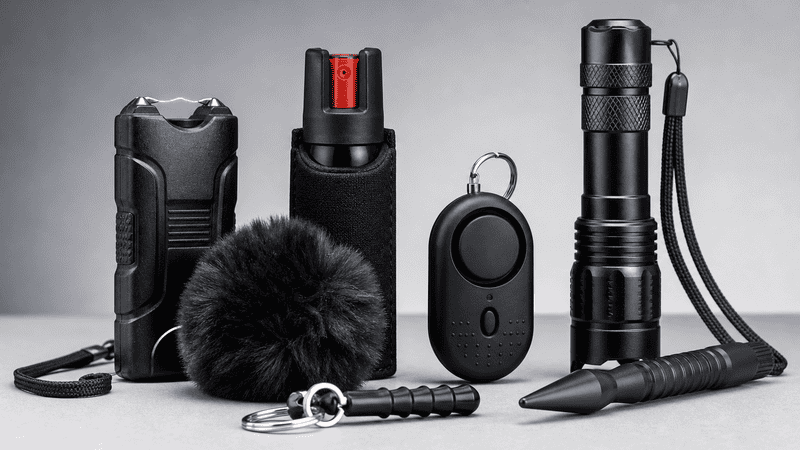
Don’t wait until it’s too late. Equip yourself and your Loved Ones with reliable, Self Defense Tools and take control of your personal safety. All the products listed make great, low-cost gifts. Keeping you and your loved ones safe.
Free shipping on orders over $25.
Be Prepared and Be Safe!